
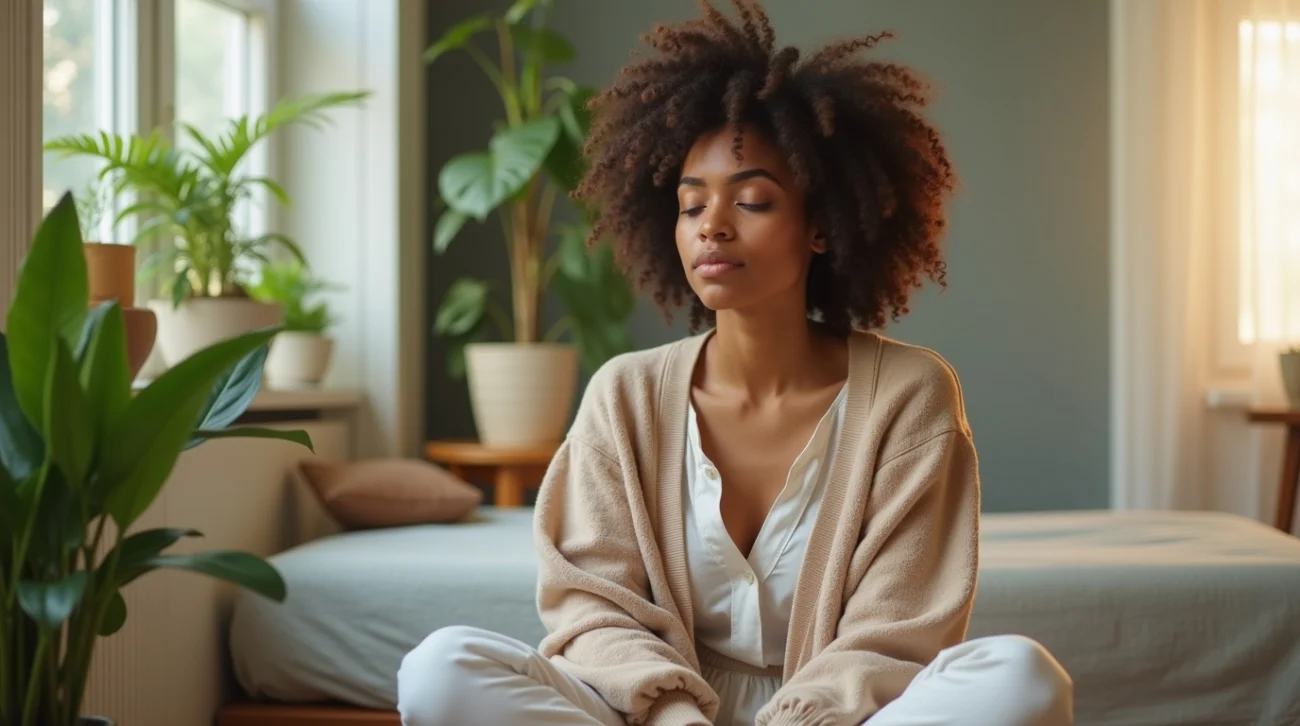
Anxiety affects millions of people across the globe. For some, medication can be an effective solution—but it’s not the only one. Many individuals prefer or need to manage anxiety without medication, whether due to personal choice, side effects, or lack of access to treatment.
Fortunately, there are several proven and practical methods to reduce anxiety naturally. In this article, we’ll explore how to manage anxiety without medication, offering simple and sustainable strategies you can start today.
Understanding Anxiety
Before diving into solutions, it’s important to understand what anxiety is. Anxiety is a natural stress response, a feeling of worry or fear about the future. In moderate amounts, it can be helpful, keeping us alert and cautious. However, chronic or overwhelming anxiety can interfere with daily life.
Symptoms may include:
-
Racing thoughts
-
Muscle tension
-
Difficulty sleeping
-
Rapid heartbeat
-
Restlessness
-
Trouble concentrating
The good news is that anxiety is highly manageable, even without medication. Let’s look at how.
1. Practice Mindfulness and Meditation
Mindfulness involves being present in the moment without judgment. It can help quiet racing thoughts and reduce emotional reactivity.
Regular meditation helps train the brain to stay calm and focused. Even five minutes a day can make a noticeable difference. You can start with simple techniques like:
-
Focusing on your breath
-
Doing a body scan
-
Guided meditations (apps like Headspace or Insight Timer are great)
Consistency is more important than duration. A few minutes every day is better than an hour once a week.
2. Exercise Regularly
Physical activity is one of the most effective natural ways to reduce anxiety. It boosts endorphins, improves mood, and reduces stress hormones like cortisol.
Aim for 30 minutes of moderate exercise most days of the week. Great options include:
-
Walking or jogging
-
Yoga or Pilates
-
Swimming
-
Cycling
Even light activity can be beneficial. The key is moving your body regularly.
3. Limit Stimulants and Alcohol
Caffeine, nicotine, and alcohol can all intensify anxiety symptoms. While a morning coffee might seem harmless, too much caffeine can cause jitteriness and restlessness.
Try to:
-
Cut back on coffee or switch to decaf
-
Avoid energy drinks
-
Drink alcohol in moderation
-
Quit smoking (with support if needed)
Being mindful of what you consume can help balance your mood.
4. Establish a Calming Routine
Routines provide a sense of structure, which can be grounding during anxious periods. Simple rituals can reduce decision fatigue and increase a sense of control.
Try to:
-
Go to bed and wake up at the same time daily
-
Include quiet time in your evenings (no screens)
-
Write in a journal
-
Light a candle or play soft music when winding down
Creating moments of calm in your day can gradually reduce anxiety over time.
5. Use Deep Breathing Techniques
When anxiety hits, the breath often becomes shallow and fast. This fuels the body’s fight-or-flight response. Intentional deep breathing tells your nervous system it’s safe to relax.
Try the 4-7-8 method:
-
Inhale for 4 seconds
-
Hold for 7 seconds
-
Exhale for 8 seconds
Repeat several times. This technique is powerful in moments of panic or stress.
6. Get Quality Sleep
Poor sleep and anxiety go hand-in-hand. Lack of rest makes it harder to regulate emotions and think clearly.
To improve sleep:
-
Avoid screens at least 1 hour before bed
-
Keep your room cool and dark
-
Use a consistent sleep schedule
-
Avoid caffeine and heavy meals in the evening
If anxiety keeps you awake, journaling or meditating before bed can help calm the mind.
7. Challenge Negative Thoughts
Anxious thoughts are often distorted or exaggerated. Learning to recognize and challenge them is key.
Use this 3-step approach:
-
Identify the thought (e.g., “I’ll fail the presentation”)
-
Question it: Is it 100% true? What’s the evidence?
-
Replace it with a more balanced version (e.g., “I’ve prepared, and I’ve done well before”)
This is a central principle of Cognitive Behavioral Therapy (CBT), which you can explore through books, apps, or therapists.
8. Connect with Others
Anxiety often thrives in isolation. Talking to someone—even just one person—can relieve emotional pressure and offer perspective.
Consider:
-
Reaching out to a friend or family member
-
Joining a support group (online or in-person)
-
Speaking with a therapist (even just a few sessions can help)
You don’t have to navigate anxiety alone. Connection is healing.
9. Try Natural Remedies
Some natural supplements may help ease anxiety symptoms. Always consult with a doctor before starting new supplements.
Common options include:
-
Chamomile tea – calming and safe for most people
-
Magnesium – supports nervous system function
-
Ashwagandha – an adaptogen that may lower cortisol
-
Lavender oil – can be used in a diffuser or applied topically
These should be used alongside lifestyle strategies, not as a replacement.
10. Set Realistic Goals
Perfectionism and being overwhelmed often fuel anxiety. Set small, achievable goals and celebrate progress—even if it’s tiny.
-
Break big tasks into smaller steps
-
Use tools like to-do lists or the Pomodoro technique
-
Allow time for breaks and rest
Progress, not perfection, is the goal.
Final Thoughts
Learning how to manage anxiety without medication is possible and empowering. Through daily habits like mindfulness, movement, rest, and connection, you can train your mind and body to respond more calmly to stress.
There’s no one-size-fits-all solution, and it may take time to find what works best for you. The important thing is to start, stay consistent, and reach out for support when needed.
FAQs
1. Can anxiety go away without medication?
Yes, many people manage anxiety through lifestyle changes, therapy, and natural strategies. It may not disappear completely but can become manageable.
2. Is therapy still important if I don’t take medication?
Absolutely. Therapy (especially CBT) is highly effective for anxiety and can help you build long-term coping tools.
3. How long does it take for natural anxiety relief methods to work?
It varies. Some people feel better in a few days or weeks, while others may need more time and consistency.
4. Are there any risks to managing anxiety without medication?
If anxiety is severe or affects daily functioning, professional support is essential. Not all cases can or should be managed without medical help.
5. What is the best method to calm anxiety quickly?
Deep breathing, grounding exercises, and physical activity can provide fast relief during anxious moments.