
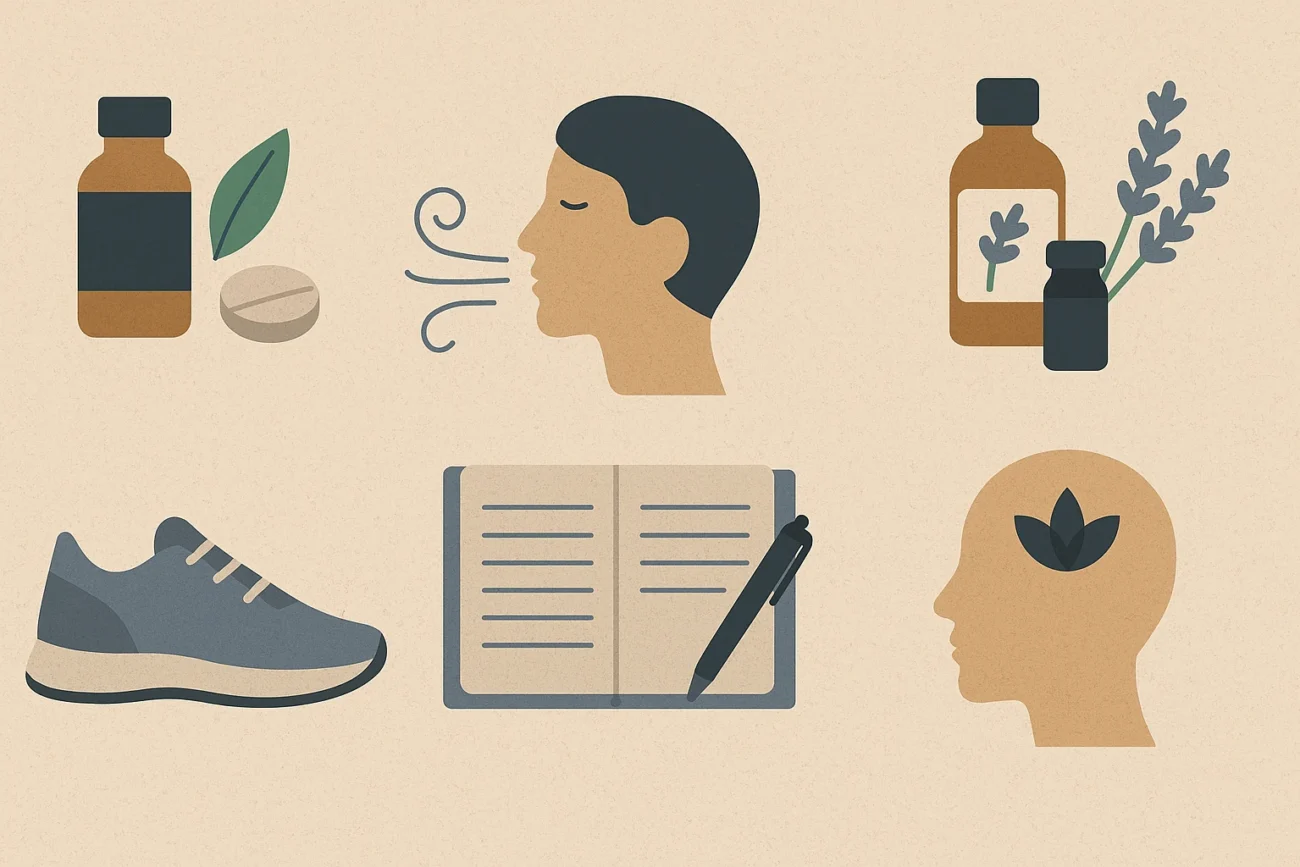
In today’s relentless world, where the demands of work, personal life, and societal pressures converge, feelings of anxiety and stress have become alarmingly commonplace. While established medical treatments such as therapy and medication offer significant relief for many, a growing number of individuals are also exploring natural remedies for anxiety and stress as a gentler yet supportive approach to nurturing their mental well-being.
These natural approaches often provide a sense of calm and groundedness without the burden of significant side effects. Moreover, in many instances, these holistic methods can serve as powerful and complementary additions to traditional medical interventions. Let’s delve into evidence-backed, holistic strategies that you can begin incorporating into your life today to cultivate a greater sense of calm, enhance your inner grounding, and regain a stronger feeling of control over your emotional state.
Exploring Nature’s Pharmacy: Herbal Remedies and Supplements
For centuries, across diverse cultures, the plant kingdom has been revered for its ability to support mood regulation, promote restful sleep, and foster emotional equilibrium. Certain herbs and naturally derived supplements have garnered particular attention for their inherent calming properties:
- Ashwagandha: This revered adaptogenic herb, deeply rooted in Ayurvedic tradition, assists the body in regulating cortisol levels, the primary hormone associated with stress response. Consistent use of ashwagandha may contribute to a reduction in both anxiety symptoms and feelings of fatigue over time.
- Chamomile: Widely enjoyed as a soothing tea, chamomile contains unique compounds that have been shown to promote the relaxation of the nervous system and contribute to improved sleep quality. Its gentle, calming effects make it a popular choice for unwinding.
- Lavender: The aromatic essence of lavender, particularly when utilized through diffusion or gentle topical application, possesses remarkable properties for calming nervous tension and alleviating restlessness. Its soothing scent has a direct impact on the brain’s emotional centers.
- L-theanine: This naturally occurring amino acid, abundant in green tea, supports a state of relaxed alertness without inducing drowsiness. It can be particularly helpful in reducing mental overactivity and promoting a sense of focused calm.
- Magnesium: This essential mineral plays a pivotal role in the proper functioning of the nervous system. Many individuals are deficient in magnesium, and adequate intake can contribute significantly to calming neural activity and supporting healthy sleep patterns.
It is crucial to emphasize the importance of consulting with a qualified healthcare professional before initiating any new supplement regimen, especially if you are currently taking other medications or have any pre-existing health conditions. Potential interactions and individual suitability should always be assessed by a doctor.
The Power Within: Breathwork and Deep Breathing Techniques
Your breath, often an unconscious process, is an incredibly potent and readily accessible tool for managing stress and anxiety. When anxiety arises, the body often shifts into a sympathetic nervous system response, characterized by shallow, rapid breathing, an accelerated heart rate, and muscle tension. Consciously employing controlled breathing techniques can effectively reverse this physiological cascade, activating the calming parasympathetic nervous system.
Explore these effective breathing techniques:
- Box Breathing: This technique involves a rhythmic four-part breath: Inhale deeply through your nose for a count of four, hold your breath for a count of four, exhale slowly through your mouth for a count of four, and then hold your breath again for a count of four. Repeat this cycle for several minutes.
- 4-7-8 Breathing: Begin by exhaling completely through your mouth. Then, inhale quietly through your nose for a count of four. Hold your breath to the count of seven. Finally, exhale slowly and completely through your mouth for the count of eight. Repeat this cycle at least four times.
- Diaphragmatic Breathing (Belly Breathing): Place one hand on your chest and the other on your belly. As you inhale deeply, focus on expanding your belly rather than your chest. As you exhale, your belly should fall. This type of deep breathing helps to stimulate the vagus nerve, a key component of the parasympathetic nervous system.
Consistent practice of these deep breathing techniques for just a few minutes each day can lead to a significant reduction in overall stress and anxiety levels over time, fostering a greater sense of inner peace and control.
The Body’s Release: Movement and Exercise for Calm
You don’t need to commit to intense athletic training to reap the mental health benefits of physical activity. Exercise serves as a powerful and natural antidote to anxiety and stress by triggering the release of endorphins, neurochemicals in the brain that act as natural mood elevators and pain relievers.
Consider these effective movement options:
- Walking in Nature (Forest Bathing/Shinrin-Yoku): Immersing yourself in the natural environment through mindful walking can have a profound calming effect, reducing stress hormones and promoting a sense of well-being.
- Yoga or Gentle Stretching: These practices combine physical postures, controlled breathing, and often meditation, effectively reducing muscle tension and promoting a sense of calm and body awareness.
- Dancing or Movement Meditation: Engaging in free-form movement or structured dance can be a joyful and liberating way to release pent-up energy and emotional tension.
- Cycling, Swimming, or Light Cardiovascular Exercise: Engaging in moderate-intensity aerobic activities can improve mood, reduce anxiety symptoms, and enhance overall physical and mental health.
Even dedicating a modest 15 to 20 minutes to daily movement can create a noticeable and positive shift in your mental and emotional state, contributing to greater resilience and calm.
The Power of Scent: Aromatherapy and Essential Oils
Our sense of smell has a unique and direct pathway to the brain, particularly to the limbic system, which plays a crucial role in processing emotions and memories. Aromatherapy harnesses the potent effects of essential oils to reduce feelings of stress and cultivate a more tranquil and calming environment.
Explore these popular essential oils known for their calming properties:
- Lavender: Perhaps the most well-known essential oil for stress relief, lavender is also highly regarded for its ability to promote restful sleep and alleviate feelings of anxiety.
- Bergamot: This citrusy oil is often described as uplifting and mood-boosting, making it a valuable tool for addressing mild anxiety and promoting a sense of optimism.
- Frankincense: With its earthy and resinous aroma, frankincense is often used for its grounding and centering properties, helping to promote feelings of inner peace and stability.
- Ylang-ylang: This sweet and floral oil is known for its ability to help alleviate nervous tension, reduce feelings of irritability, and promote a sense of relaxation.
Integrate essential oils into your routine by using an aromatherapy diffuser to disperse their calming scents into your environment, adding a few drops to a warm bath for a soothing soak, or applying them topically (always diluted with a carrier oil such as jojoba or almond oil) to your wrists, temples, or the soles of your feet.
The Clarity of the Page: Journaling and Expressive Writing
The simple act of putting your thoughts and feelings down on paper can be a surprisingly powerful form of emotional release. Journaling provides a safe and private space to untangle the often-complex web of your emotions, reflect on the specific triggers that contribute to your anxiety and stress, and process challenging experiences in a way that promotes clarity and understanding.
Practical Tips for Starting a Journaling Practice:
- Embrace Imperfection: Write Freely for 5-10 Minutes Daily Without Editing: The goal is to allow your thoughts to flow freely without concern for grammar, punctuation, or structure. This stream-of-consciousness writing can be incredibly cathartic.
- Utilize Prompts for Focus: Use Guiding Questions: If you find it difficult to start, use prompts to direct your writing. Examples include:
- What specific thoughts or worries are occupying my mind today?
- What aspects of my current situation are within my control, and what is outside of my influence?
- What small steps can I take today to nurture my well-being and feel a bit better?
- Prioritize Honesty Over Polish: Focus on Authenticity, Not Grammar: Your journal is a private space for honest self-expression. Don’t worry about crafting perfect sentences; focus instead on capturing your genuine thoughts and feelings.
Remember, journaling doesn’t need to be a profound or poetic endeavor; its power lies in its raw honesty and its ability to provide a tangible outlet for your inner world.
The Stillness Within: Mindfulness and Meditation Practices
Mindfulness is the intentional practice of bringing your attention to the present moment without the filter of judgment. This powerful practice helps to quiet the often-cacophonous noise of racing thoughts, reduce the levels of stress hormones circulating in your body, and lessen the tendency towards excessive rumination and overthinking.
Explore these simple yet effective mindfulness practices:
- Body Scan Meditation: Gently direct your attention to different parts of your body, starting with your toes and gradually moving upwards to the top of your head. Notice any sensations you encounter without trying to change them.
- Mindful Eating: Bring your full awareness to the experience of eating. Eat slowly, paying close attention to the texture of the food, the different tastes that unfold on your palate, and the subtle aromas.
- The 5-4-3-2-1 Grounding Technique: When feeling overwhelmed, engage your senses by identifying five things you can see around you, four things you can physically feel, three things you can hear, two things you can smell, and one thing you can taste. This technique anchors you firmly in the present moment.
Even dedicating a few minutes each day to consistent mindfulness practice can contribute to a significant increase in your emotional resilience over time, fostering a greater sense of inner calm and stability.
Nourishing the Foundation: Diet and Hydration’s Role
The food you consume has a profound and often underestimated impact on your mental health. A diet characterized by high levels of refined sugar, processed foods, and excessive caffeine can exacerbate anxiety symptoms and contribute to mood instability. Conversely, a diet rich in whole, unprocessed foods provides the essential nutrients that support optimal brain function and a more balanced emotional state.
Adopt these dietary habits for better mental balance:
- Embrace Whole Foods: Prioritize the consumption of fruits, vegetables, nuts, seeds, legumes, and whole grains, which provide a steady source of energy and essential vitamins and minerals.
- Increase Omega-3 Fatty Acids: Incorporate sources of omega-3 fatty acids, such as flaxseeds, walnuts, and fatty fish (like salmon and mackerel), which have been linked to improved mood regulation.
- Stay Adequately Hydrated: Even mild dehydration can lead to feelings of irritability, fatigue, and difficulty concentrating, all of which can worsen anxiety symptoms. Make a conscious effort to drink sufficient water throughout the day.
- Moderate Stimulants: Limit your intake of alcohol and caffeine, particularly during periods of high stress, as these substances can interfere with sleep and exacerbate anxiety symptoms.
Remember, food is not merely fuel for your body; it serves as a fundamental building block for a healthy mind and a more resilient emotional state.
The Power of Connection: Social Support and Reaching Out
Feelings of isolation can significantly amplify anxiety and stress. Cultivating and nurturing connections with trusted friends, family members, or support groups can provide a powerful source of emotional release, validation, and understanding.
Explore these ways to reconnect and build your support network:
- Schedule Regular Check-Ins: Make a conscious effort to schedule regular phone calls, video chats, or in-person visits with friends and loved ones.
- Join Support Groups: Consider joining a local or online support group focused on anxiety, stress, or other related challenges. Sharing experiences with others who understand can be incredibly validating.
- Practice Open Communication: Talk openly and honestly about how you are feeling, even if your emotions feel messy or difficult to articulate. Vulnerability can foster deeper connections and understanding.
- Don’t Hesitate to Seek Assistance: Recognize that it is a sign of strength, not weakness, to ask for help when you need it. Reach out to your support network or a mental health professional when you are struggling.
You don’t have to navigate the challenges of anxiety and stress alone. Human connection is an essential element of healing and fostering emotional well-being.
Final Thoughts: Cultivating Calm Through Natural Choices
While natural remedies for anxiety and stress may not offer an immediate, quick-fix solution, their consistent and mindful practice can lead to profound and lasting positive changes in your overall well-being. Integrating small, daily choices – such as engaging in mindful breathing exercises, spending time journaling your thoughts, incorporating regular walks in nature, or enjoying a calming cup of herbal tea – can gradually build inner strength, enhance your resilience, and foster a greater sense of calm and control in your life.
It is important to remember that while these natural remedies can be incredibly helpful and supportive, they are not intended to be a replacement for professional medical or therapeutic care if your symptoms persist or become severe. For a comprehensive and holistic approach to mental wellness, consider combining these natural tools with therapy or medical support as needed.
Frequently Asked Questions
1. Can natural remedies completely replace prescription anxiety medication?
Not always. While some individuals may find significant relief through consistent use of natural methods, others may require the more targeted intervention of prescription medication or therapy to manage their anxiety effectively. It is crucial to have an open and honest conversation with a qualified healthcare provider before making any changes to your medication regimen or relying solely on natural remedies for significant anxiety symptoms.
2. How quickly can I expect to see results from natural anxiety remedies?
The timeline for experiencing the benefits of natural remedies can vary depending on the specific technique and individual factors. Some practices, such as deep breathing exercises or the use of calming essential oils, may offer a sense of immediate relief for acute anxiety. In contrast, other approaches, such as consistent use of herbal supplements or significant lifestyle modifications, may require days, weeks, or even months of consistent practice to yield noticeable and sustained results.
3. Are there any potential risks or side effects associated with herbal supplements for anxiety?
Yes, it is important to be aware that herbal supplements, while natural in origin, are not without potential risks. They can interact with certain medications, may not be suitable for individuals with specific health conditions, and can sometimes cause mild side effects. Therefore, it is always essential to consult with a knowledgeable healthcare professional before starting any new herbal supplement, ensuring its safety and appropriateness for your individual circumstances.
4. Is incorporating exercise truly an effective strategy for reducing anxiety?
Absolutely. Engaging in regular physical activity, even light to moderate daily movement, has been consistently shown to be an effective natural remedy for anxiety. Exercise helps to boost mood by releasing endorphins, reduces the levels of stress hormones in the body, improves sleep quality, and provides a healthy outlet for pent-up energy and tension.
5. For someone new to natural anxiety relief, what would be the easiest and most accessible remedy to begin with?
For individuals new to exploring natural remedies for anxiety, simple and readily accessible techniques such as breathwork exercises and journaling often serve as excellent starting points. These practices are typically free, can be done virtually anywhere and at any time, and offer immediate and cumulative benefits for managing stress and promoting a greater sense of calm and self-awareness.