
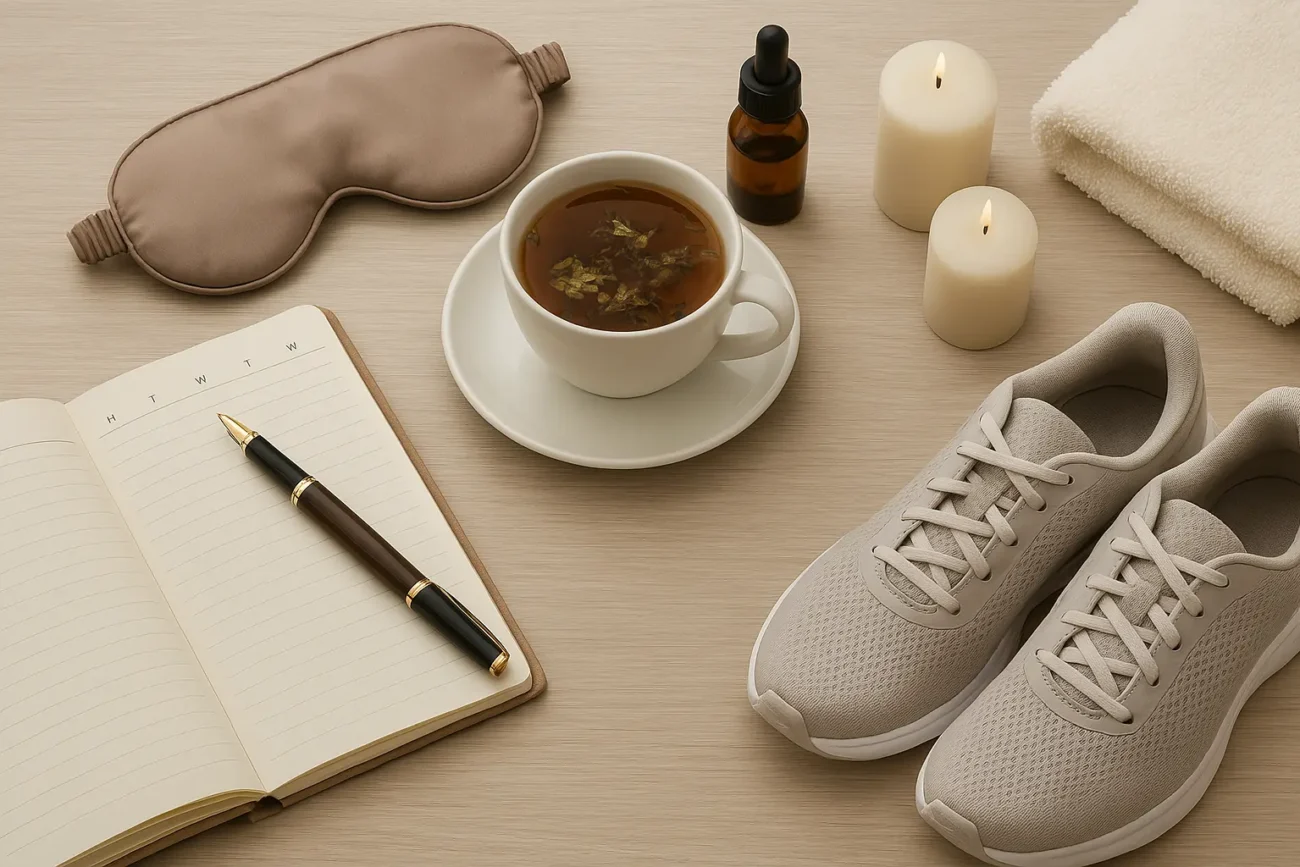
In the fast-paced world of work, it’s easy to push self-care to the bottom of your to-do list. But the truth is, if you don’t take care of yourself, everything else — productivity, focus, energy — suffers too. That’s why building consistent self-care routines for busy professionals is not a luxury. It’s a necessity.
Whether you’re juggling meetings, deadlines, emails, or team management, your mental and physical health should never come second. The key is finding simple, sustainable habits that fit into your lifestyle, not add more stress to it.
Why Self-Care Matters When You’re Always Busy
Neglecting your needs doesn’t just lead to burnout. It also impacts your work, decision-making, and relationships. Regular self-care helps you:
- Stay focused and energized
- Reduce stress and anxiety
- Sleep better
- Improve mood and emotional regulation
- Prevent health issues
- Perform better at work
Think of it as maintenance. You don’t wait until your car breaks down to take it in, so don’t wait until you burn out to check in with yourself.
Building Effective Self-Care Routines for Busy Professionals
Here are realistic, time-friendly self-care ideas you can integrate into your day — without sacrificing work performance but rather enhancing it.
1. Start Your Day With Intention
Even 5 minutes of quiet can set a better tone for the rest of the day, influencing your mindset and overall well-being from the outset.
- Take a few deep breaths before checking your phone, allowing yourself a moment of stillness before the digital demands begin.
- Write down 1–2 things you’re grateful for, cultivating a positive perspective and appreciation for the good in your life.
- Set a clear intention for your day, providing a sense of purpose and direction that can guide your actions and decisions.
2. Make Movement Non-Negotiable
You don’t need an hour-long workout to reap the benefits of physical activity. Small, consistent movement helps release accumulated stress and significantly improve your energy levels throughout the day.
- Take short walks between meetings, using these brief interludes to clear your head and get your blood flowing.
- Stretch for 5–10 minutes at your desk, counteracting the physical strain of prolonged sitting and promoting flexibility.
- Try standing or walking calls when possible, integrating movement seamlessly into your work routine.
3. Nourish Your Body (Even During Busy Days)
What you eat has a profound impact on how you think and feel, influencing your cognitive function and overall mood. Make conscious choices that fuel your body and mind — not just temporarily satisfy hunger.
- Prepare simple, nutritious meals in advance, ensuring you have healthy options readily available even when time is scarce.
- Keep healthy snacks nearby (nuts, fruit, yogurt), providing quick and sustained energy boosts without the subsequent crash.
- Don’t skip meals — especially breakfast, which is crucial for kickstarting your metabolism and providing the energy needed for a productive morning.
4. Set Boundaries Around Work Hours
Overworking isn’t a badge of honor and often leads to diminished returns in the long run. Learning to log off, both mentally and physically, is essential for sustainable productivity and well-being.
- Define clear work start and end times, creating a distinct separation between your professional and personal life.
- Turn off notifications after hours, allowing yourself uninterrupted time to relax and recharge without the constant pull of work-related alerts.
- Take real lunch breaks away from screens, using this time to step away from your workspace, eat mindfully, and mentally disconnect.
5. Create a Mini Wind-Down Routine
Signaling to your brain that it’s time to transition from work to rest is crucial for quality sleep and overall relaxation, especially before bed.
- Avoid screens (phones, tablets, computers, TV) for at least 30 minutes before sleep, minimizing the disruptive effects of blue light on melatonin production.
- Engage in calming activities like reading a physical book, listening to soothing music, or doing gentle stretches to prepare your body and mind for sleep.
- Keep your bedtime consistent, even on weekends, to regulate your body’s natural sleep-wake cycle and promote more restful sleep.
6. Practice Mental Hygiene
Just like brushing your teeth is essential for physical health, regular mental hygiene practices are vital for maintaining a clear and healthy mind.
- Journal out thoughts and worries, providing a healthy outlet for processing emotions and reducing mental clutter.
- Practice 5-minute mindfulness or meditation sessions, even brief moments of focused awareness can significantly reduce stress and improve concentration.
- Take digital detox breaks during the day, consciously stepping away from screens to allow your mind to rest and refocus on the present moment.
7. Check In With Yourself Regularly
Pausing briefly throughout your busy day to connect with your internal state can provide valuable insights into your needs and prevent potential overwhelm.
- Ask yourself: *How am I feeling right now?* This simple question encourages self-awareness and helps you identify any emerging stressors or needs.
- Ask yourself: *What do I need in this moment?* This prompts you to consider whether you need a break, hydration, a snack, or a change of pace.
- Ask yourself: *Is there something I can let go of?* This encourages you to evaluate your workload and identify any non-essential tasks or commitments that can be delegated or eliminated.
These small check-ins help you stay connected to your needs, even on the most demanding days, allowing you to proactively address potential issues before they escalate.
8. Say “No” When You Need To
Saying yes to every request and opportunity can quickly lead to burnout and resentment. Learning to assertively protect your time and energy is a crucial self-care skill.
- Decline meetings that aren’t essential to your role or objectives, freeing up valuable time for focused work or self-care.
- Don’t overcommit to tasks or projects that fall outside your bandwidth or priorities, preventing feelings of being overwhelmed and stretched too thin.
- Remind yourself that rest and rejuvenation are not luxuries but essential components of sustained productivity and overall well-being.
9. Schedule Self-Care Like Any Other Appointment
If self-care isn’t intentionally integrated into your schedule, it’s likely to be overlooked amidst the demands of work. Treating self-care as a non-negotiable appointment underscores its importance.
- Block out short 10-minute breaks between meetings to stretch, hydrate, or simply step away from your screen.
- Add dedicated time slots for lunch, short walks, or your evening wind-down routine directly into your planner.
- Protect this scheduled self-care time with the same commitment and diligence you would apply to a crucial client call or important deadline.
Tools That Can Help
Busy professionals often find it beneficial to leverage tools and resources that support structure, provide reminders, and facilitate self-care practices.
- Focus timers (e.g., Pomodoro apps) can help you break down work into focused intervals with scheduled short breaks, encouraging regular pauses for rest and rejuvenation.
- Wellness apps (like Calm or Headspace) offer guided mindfulness sessions, breathing exercises, and sleep stories that can be easily integrated into short breaks or your bedtime routine.
- Habit trackers (digital or physical) can help you build consistency in your self-care practices by providing visual reminders and a sense of accomplishment as you track your progress.
- Meal prep services can save valuable time and ensure you have access to healthy, nutritious meals even on your busiest days, reducing the stress of last-minute food choices.
You Don’t Need Hours to Take Care of Yourself
Self-care isn’t solely about indulgent spa days or extended vacations (though those are certainly beneficial when possible!). More often, it’s about incorporating regular, small moments of checking in with yourself, establishing healthy boundaries, and consciously choosing habits that support your overall functioning and well-being.
Even dedicating just five minutes a day to a mindful practice or a brief moment of stillness can make a significant difference over time. Start small, prioritize consistency over grand gestures, and most importantly, extend kindness and understanding towards yourself — especially during demanding periods.
Final Thoughts
When you’re operating in constant go-mode, self-care can sometimes feel like just another item to tick off your already lengthy list. However, integrating small, effective self-care routines for busy professionals doesn’t require a significant time investment and yields substantial long-term benefits for your physical health, cognitive productivity, and inner peace.
Remember this fundamental truth: your well-being is not separate from your professional success; it is the very foundation upon which it is built. Take care of it with the same dedication and attention you give to your work — because, ultimately, your ability to thrive professionally is intrinsically linked to your ability to thrive personally.
Frequently Asked Questions
1. What are some quick self-care activities I can do during the workday?
Try taking 2 minutes for deep breathing exercises, stepping away from your desk for a short walk around your workspace, or performing some quick stretches to release tension. Even a 30-second pause to mindfully drink a glass of water can help reset your focus and provide a moment of calm.
2. How do I find time for self-care with a packed schedule?
Begin by identifying small pockets of time throughout your day — even just 5 to 10 minutes between meetings or during your lunch break. Schedule these moments in your calendar as non-negotiable appointments and commit to honoring them as you would any other important commitment.
3. Is it selfish to prioritize self-care at work?
Absolutely not. Prioritizing self-care is not a selfish act; it’s a strategic one. By taking care of your well-being, you enhance your ability to show up more effectively for your team, approach your tasks with greater clarity and energy, and contribute more meaningfully to your long-term professional goals. A well-cared-for professional is a more effective and sustainable one.
4. Can digital tools help with self-care?
Yes, digital tools can be incredibly supportive for self-care. Apps designed for guided breathing exercises, journaling prompts, or time tracking can make self-care practices easier to remember, more structured, and more accessible, fitting seamlessly into your digital lifestyle.
5. What’s the best self-care tip for professionals working from home?
Establish clear and consistent work boundaries. Create a designated physical workspace to help mentally separate work from personal life, adhere to defined work hours to prevent work from bleeding into your downtime, and make a conscious effort to physically step away from your workspace at the end of your workday to signal the transition to personal time.