
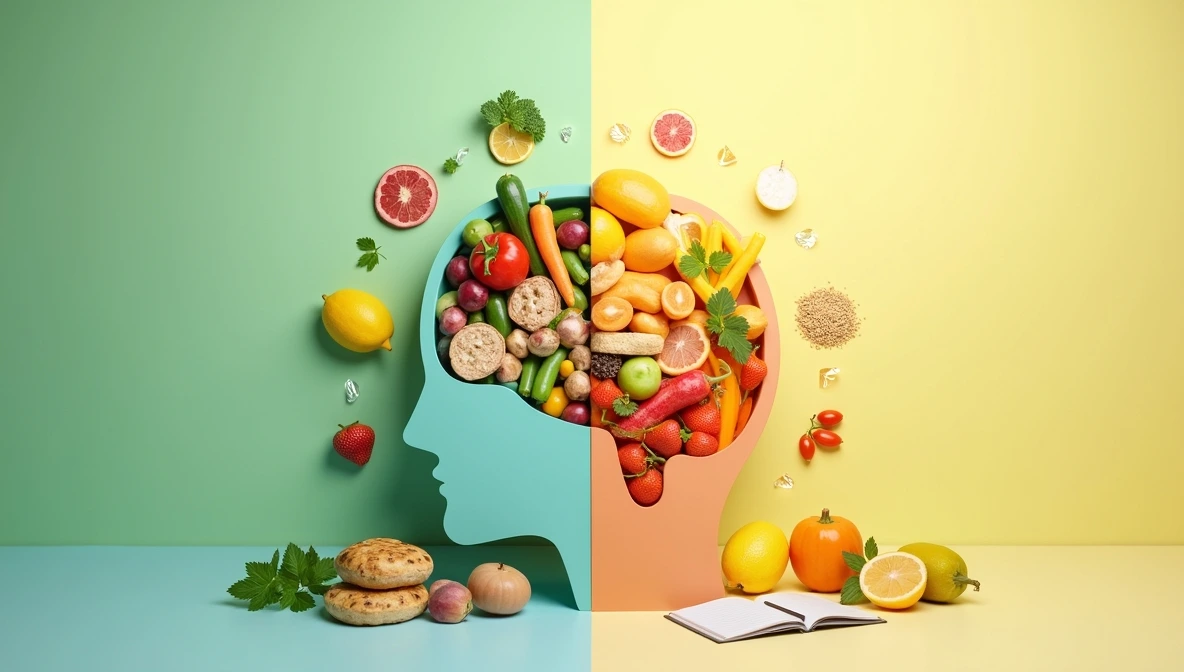
The adage “You are what you eat” has resonated through generations, and now, compelling scientific evidence is increasingly validating the profound link between our dietary choices and our mental well-being. While discussions about diet often center on physical health outcomes, the connection between diet and mental health is emerging as an equally critical area of understanding.
Let’s delve into the intricate ways in which the food we consume impacts our brain chemistry, influences our mood, and contributes to our overall emotional stability. Furthermore, we will explore practical dietary changes you can implement to actively support and nurture your mental well-being through the power of better nutrition.
The Brain’s Fuel: How Food Affects This Vital Organ
Your brain, a remarkably energy-intensive organ, operates tirelessly around the clock, orchestrating a vast array of functions, from the intricate processes of memory and mood regulation to the complex realms of emotions and decision-making. To execute these vital tasks efficiently and effectively, the brain requires a consistent and high-quality supply of fuel, and this essential fuel is derived directly from the food you eat.
Specific nutrients, including omega-3 fatty acids, the spectrum of B vitamins, magnesium, zinc, and various amino acids, play indispensable roles in the synthesis and function of crucial neurotransmitters such as serotonin and dopamine. These neurochemicals act as the brain’s messengers, responsible for regulating mood, attention span, and feelings of calmness and pleasure.
An imbalance or deficiency in these vital nutrients can disrupt the delicate equilibrium of neurotransmitter production, potentially leading to a range of distressing symptoms, including:
- Persistent feelings of fatigue and low energy levels.
- A pervasive sense of low mood, sadness, or even clinical depression.
- Feelings of anxiety, nervousness, or a persistent sense of inner restlessness.
- Cognitive impairments such as brain fog, difficulty concentrating, and impaired memory.
This intricate interplay between nutrition and brain function highlights the critical role of the gut-brain axis in maintaining mental well-being.
The Gut-Brain Axis: A Two-Way Communication Highway
The gastrointestinal tract, often referred to as the “second brain,” and the central nervous system are engaged in a complex and bidirectional communication network, primarily mediated by the vagus nerve and the vast community of microorganisms residing in our gut, collectively known as the gut microbiome. This intricate communication pathway is commonly termed the gut-brain axis.
Within your digestive tract resides a staggering population of trillions of bacteria, fungi, and other microorganisms – the microbiome – which exert a far-reaching influence on various bodily functions, ranging from the regulation of the immune system to the production of hormones. A healthy and diverse gut microbiome has been increasingly linked to improved emotional regulation, a greater capacity to cope with stress, and a reduced risk of developing mental health disorders.
Conversely, when the delicate balance of the gut microbiome is disrupted – often due to factors such as poor dietary intake, chronic stress, the use of antibiotics, or a lack of dietary fiber – it can trigger increased inflammation within the body and directly impair optimal brain function.
In essence, cultivating a healthy and thriving gut microbiome is a significant step toward fostering a healthier and more resilient brain.
Dietary Patterns Linked to Enhanced Mental Health
A growing body of research consistently indicates that certain dietary patterns are strongly associated with improved mood, a lower incidence of depression, and enhanced cognitive function throughout the lifespan.
Here are some of the most extensively studied dietary approaches concerning mental well-being:
- The Mediterranean Diet: Characterized by a high intake of vegetables, fruits, legumes, whole grains, nuts, seeds, olive oil as the primary source of fat, and fish, with moderate consumption of poultry and dairy, and limited red meat. This dietary pattern has been consistently linked to lower rates of depression and a reduced risk of anxiety disorders.
- Traditional Whole-Food Diets: Dietary patterns that emphasize the consumption of minimally processed, nutrient-dense whole foods, such as those found in many traditional cultures, appear to offer protective benefits against the development of various mental health disorders.
- Anti-Inflammatory Diets: These dietary approaches focus on incorporating foods known to possess anti-inflammatory properties, such as leafy green vegetables, a wide variety of berries, fatty fish rich in omega-3s, and spices like turmeric. Reducing chronic inflammation in the body is increasingly recognized as a key factor in supporting mental health.
Nourishing the Mind: Foods That Boost Mental Health
To actively support your mood, enhance your focus and concentration, and sustain consistent energy levels throughout the day, prioritize the inclusion of the following nutrient-rich foods in your diet:
- Leafy Green Vegetables (Spinach, Kale): Excellent sources of folate, magnesium, and a wide array of potent antioxidants that protect brain cells from damage.
- Fatty Fish (Salmon, Mackerel): Rich in omega-3 fatty acids, particularly EPA and DHA, which are essential building blocks for brain health and play a crucial role in mood regulation.
- Nuts and Seeds: Provide a valuable source of essential minerals like zinc and magnesium, as well as healthy fats that support brain function and overall well-being.
- Legumes (Beans, Lentils): Excellent sources of B vitamins, which are vital for neurotransmitter production, and dietary fiber, which supports a healthy gut microbiome.
- Whole Grains (Quinoa, Oats, Brown Rice): They offer a steady and sustained release of energy, preventing blood sugar spikes and crashes that can negatively impact mood and concentration. They also contribute to the production of neurotransmitters.
- Fermented Foods (Yogurt, Kefir, Kimchi, Sauerkraut): Rich in beneficial probiotics that promote a healthy and diverse gut microbiome, which, as discussed, has a significant impact on brain health and emotional well-being.
- Berries (Blueberries, Strawberries, Raspberries): Packed with powerful antioxidants that help combat inflammation in the brain and protect against cognitive decline.
Foods That Can Hinder Mental Well-Being
Just as certain dietary choices can positively influence your mental health, others can have a detrimental effect, potentially exacerbating existing symptoms or increasing your susceptibility to mood disturbances.
It is generally advisable to avoid or significantly limit the consumption of the following:
- Refined Sugar: A High intake of refined sugar has been consistently linked to significant mood swings, feelings of fatigue, increased anxiety levels, and an elevated risk of depression.
- Highly Processed Foods: These foods are often devoid of essential nutrients and are typically laden with unhealthy fats, excessive sodium, artificial additives, and preservatives that can negatively impact both physical and mental health.
- Excessive Caffeine: While moderate caffeine consumption may have some benefits, excessive intake can trigger or worsen anxiety symptoms, disrupt healthy sleep patterns, and contribute to feelings of restlessness and agitation.
- Alcohol: Although often used as a temporary mood enhancer, alcohol is a central nervous system depressant that can negatively affect brain chemistry, impair cognitive function, and disrupt sleep architecture, ultimately contributing to a decline in mental well-being.
- Artificial Sweeteners: Emerging research suggests that artificial sweeteners may negatively impact the delicate balance of the gut microbiome, potentially leading to adverse effects on mood regulation and overall mental health.
Making conscious efforts to reduce or eliminate these potentially harmful foods from your diet can often lead to noticeable improvements in emotional stability, sustained energy levels, and an overall enhanced sense of well-being.
Cultivating Healthy Habits: Eating Practices That Support Mental Well-Being
It’s not solely about the specific foods you choose to eat; how you eat and the eating habits you cultivate also play a significant role in supporting your mental health.
Here are some eating habits that promote better mental and emotional well-being:
- Prioritize Regular Meals: Don’t Skip Meals: Skipping meals can lead to significant fluctuations in blood sugar levels, resulting in feelings of irritability, fatigue, difficulty concentrating, and increased anxiety. Aim for consistent meal times throughout the day.
- Maintain Optimal Hydration: Stay Hydrated: Even mild levels of dehydration can negatively impact mood, cognitive function, and energy levels. Make a conscious effort to drink adequate amounts of water throughout the day.
- Practice Mindful Eating: Slow down your eating pace, chew your food thoroughly, and eliminate distractions such as screens during mealtimes. This practice can improve digestion, enhance your connection to your body’s hunger and satiety cues, and promote a more mindful relationship with food.
- Address Emotional Roots: Limit Emotional Eating: While food can provide temporary comfort during times of emotional distress, relying on it as a primary coping mechanism can lead to long-term imbalances in both physical and mental health. Focus on identifying and addressing the underlying emotional causes of your eating patterns.
The Frontier of Nutritional Psychiatry
An exciting and rapidly evolving field known as nutritional psychiatry is dedicated to exploring the intricate ways in which dietary patterns directly impact mental health. Increasingly, psychiatrists and therapists are collaborating with registered dietitians and nutritionists to offer integrated and holistic treatment plans that address both the psychological and nutritional aspects of mental well-being.
Early findings from research in nutritional psychiatry suggest that dietary interventions may hold significant promise as a supportive tool in the treatment of various mental health conditions, including:
- Depression
- Anxiety Disorders
- Attention-Deficit/Hyperactivity Disorder (ADHD)
- Bipolar Disorder
- Post-Traumatic Stress Disorder (PTSD)
While it is crucial to understand that nutrition alone is unlikely to serve as a sole cure for complex mental illnesses, it can play a vital role in supporting optimal brain chemistry, reducing systemic inflammation, and potentially enhancing the effectiveness of other established treatments.
Final Thoughts: Nourishing Body and Mind for Optimal Well-Being
The evidence underscoring the connection between diet and mental health is becoming increasingly compelling and undeniable. The food we choose to consume has a direct and significant impact on how we think, how we feel, how well we sleep, and our capacity to effectively cope with the various stressors of life. By prioritizing a diet rich in whole, unprocessed foods, actively supporting the health and diversity of our gut microbiome, and cultivating mindful and balanced eating habits, we can actively nourish both our physical bodies and our intricate mental landscapes.
Remember that positive change doesn’t necessitate drastic overnight transformations. Even small, incremental improvements to your dietary choices, such as consciously incorporating more leafy green vegetables into your meals or gradually reducing your intake of refined sugar, can yield noticeable and cumulative benefits to your overall well-being over time.
And as always, it is essential to emphasize that if you are grappling with severe or persistent mental health symptoms, please do not hesitate to reach out for professional help from qualified mental health professionals. While the power of diet in supporting mental health is significant, it is often one important piece of a larger and more comprehensive approach to well-being.
Frequently Asked Questions
1. Can dietary changes truly lead to improvements in mental health symptoms?
Yes, a growing body of scientific research consistently demonstrates that making positive dietary changes can indeed help to reduce the severity of symptoms associated with depression, anxiety, and stress. These benefits are often amplified when dietary interventions are integrated with other forms of support, such as therapy and lifestyle modifications.
2. How long might it typically take to observe noticeable changes in mental health after altering one’s diet?
The timeline for experiencing the effects of dietary changes on mental health can vary among individuals. Some people may report noticing subtle shifts in their energy levels and mood within as little as a week of making healthier food choices. However, more profound and sustained improvements often unfold over a period of several weeks or even months as the body and brain adapt to a more nutrient-dense and balanced dietary pattern.
3. Are there specific vitamins or minerals that are particularly important for supporting mental health?
Yes, several key vitamins and minerals play crucial roles in regulating mood and supporting optimal brain function. These include the B vitamins (particularly B12 and folate), magnesium, omega-3 fatty acids (EPA and DHA), and vitamin D. Ensuring adequate intake of these nutrients through diet or supplementation (under professional guidance) can be beneficial for mental well-being.
4. Do highly processed foods and sugary drinks genuinely harm one’s mood?
Yes, a significant amount of research has established a clear link between diets that are high in processed foods, refined sugars, and unhealthy fats and an increased risk of developing and experiencing more severe symptoms of depression and anxiety. These dietary patterns can contribute to inflammation, disrupt gut health, and cause fluctuations in blood sugar levels, all of which can negatively affect mood regulation.
5. Is it advisable to consult a healthcare professional before making significant changes to one’s diet, especially for mental health reasons?
Absolutely. If you have any pre-existing health conditions, are currently taking any medications, or are considering making substantial changes to your diet, it is always prudent to consult with a qualified healthcare professional, such as your primary care physician or a registered dietitian. They can provide personalized advice based on your individual health needs and help ensure that any dietary changes are safe and appropriate for you.